
Highlights-Venice Day 3 (last day)
Our group toured the Jewish Quarter in the morning. The Venetians established the first Jewish ghetto in Europe in 1516. That was a dubious first. Compared to the Spanish Inquisition, “eat pork or die,” I suppose it was more humane. The Peggy Guggenheim museum had sculptures in the garden that looked like lava lamp blobs. They were better than gnomes.
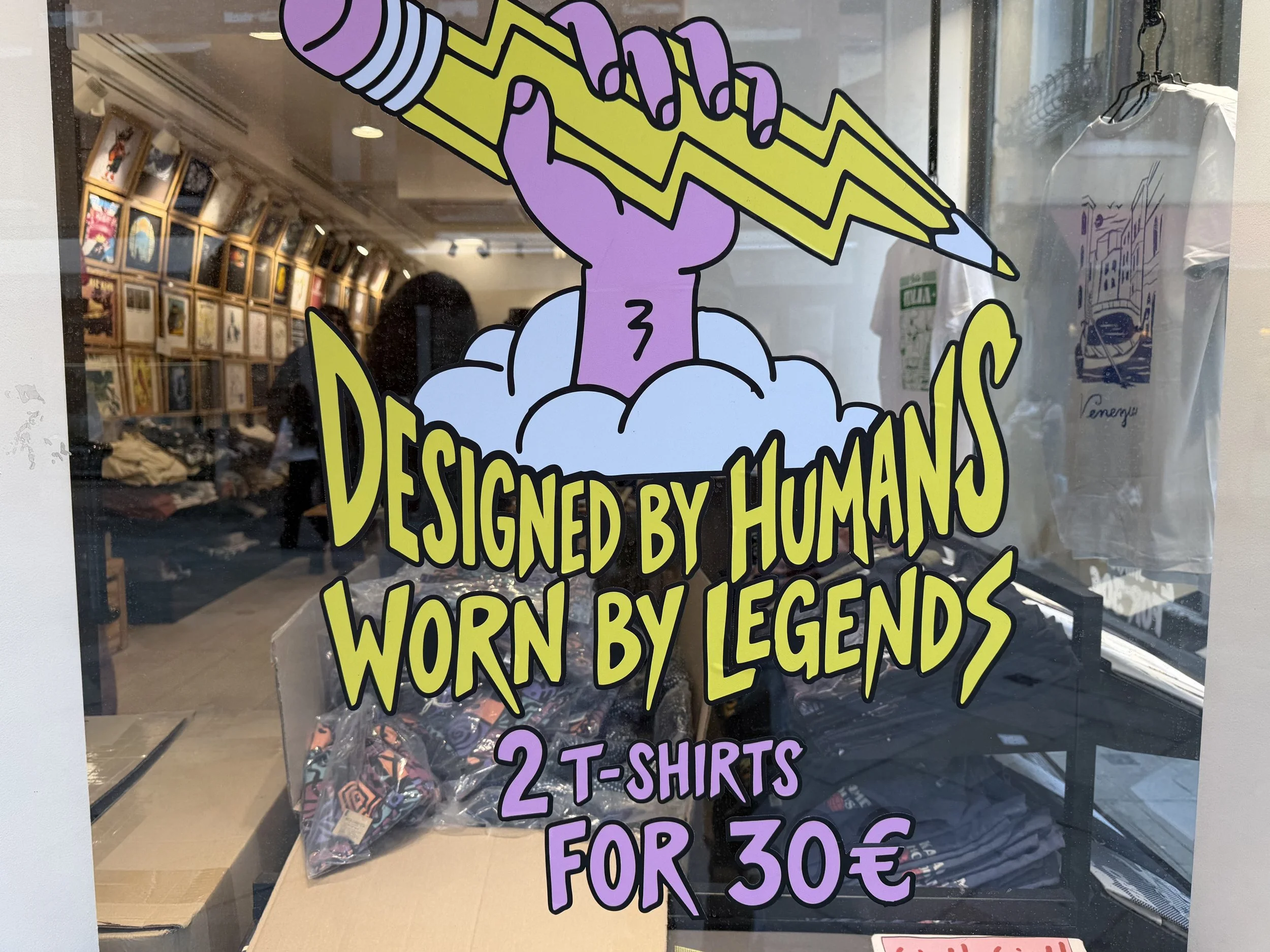
Marketing as Ego Enhancement
This just about sums up all marketing. “You’ll be so wise and cool if you buy our product.” This appeal is just more brazen than most.
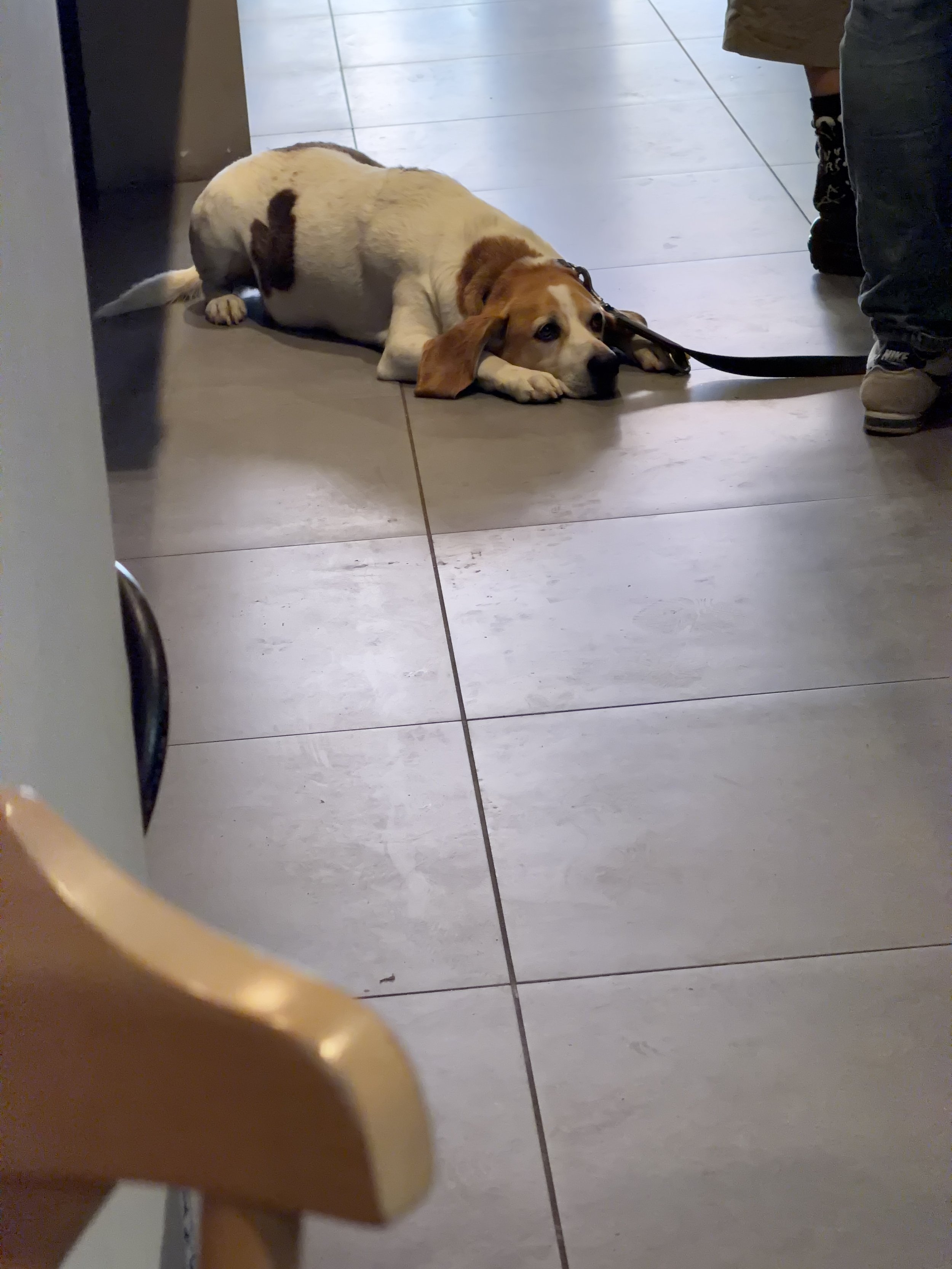
Giving Up
This will never been on a motivational poster, but sometimes you just have to lie down
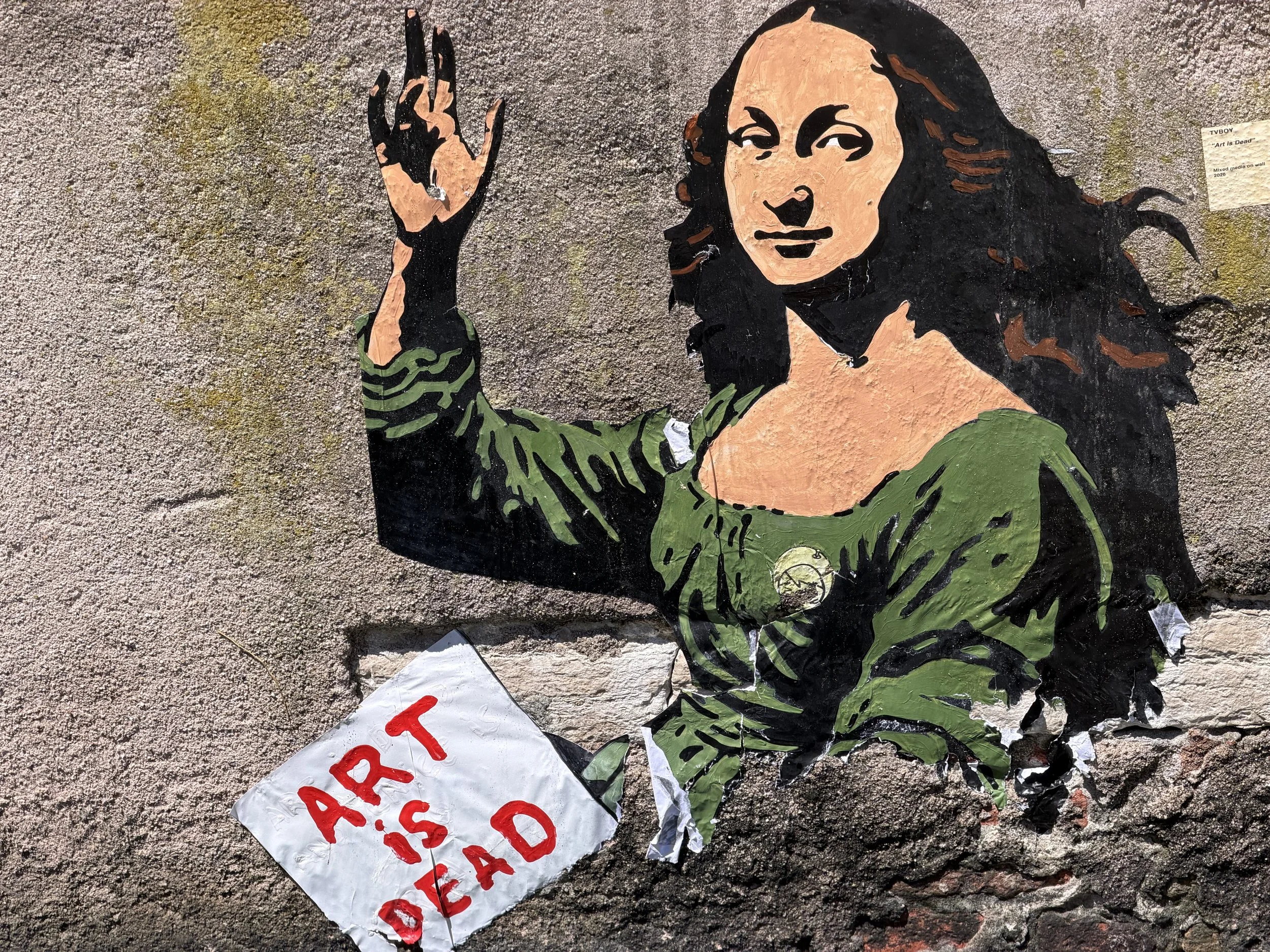
Dead?
That’s not what they say at the Peggy Guggenheim museum
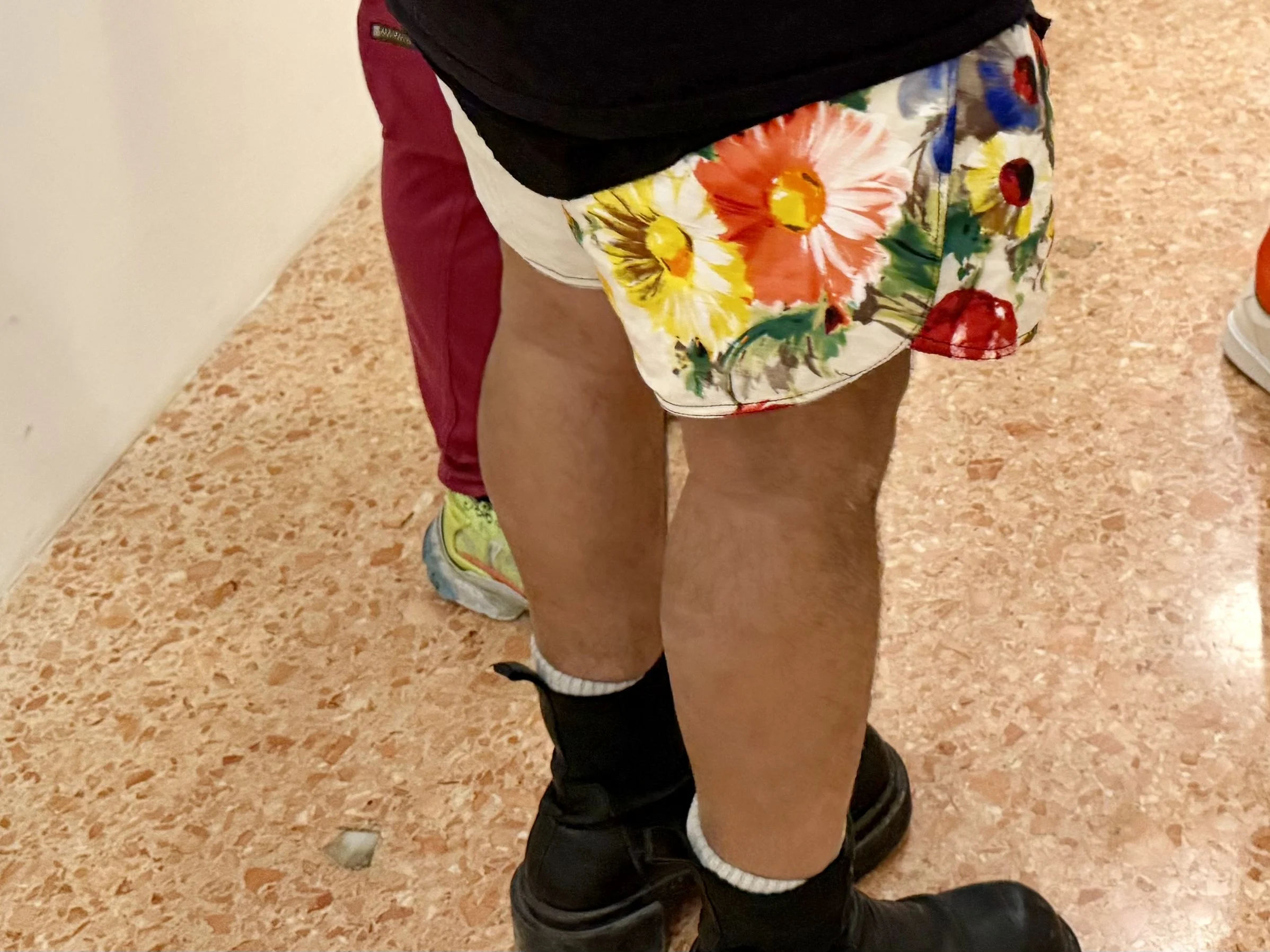
Art is Dead?
Not according to this guy’s shorts
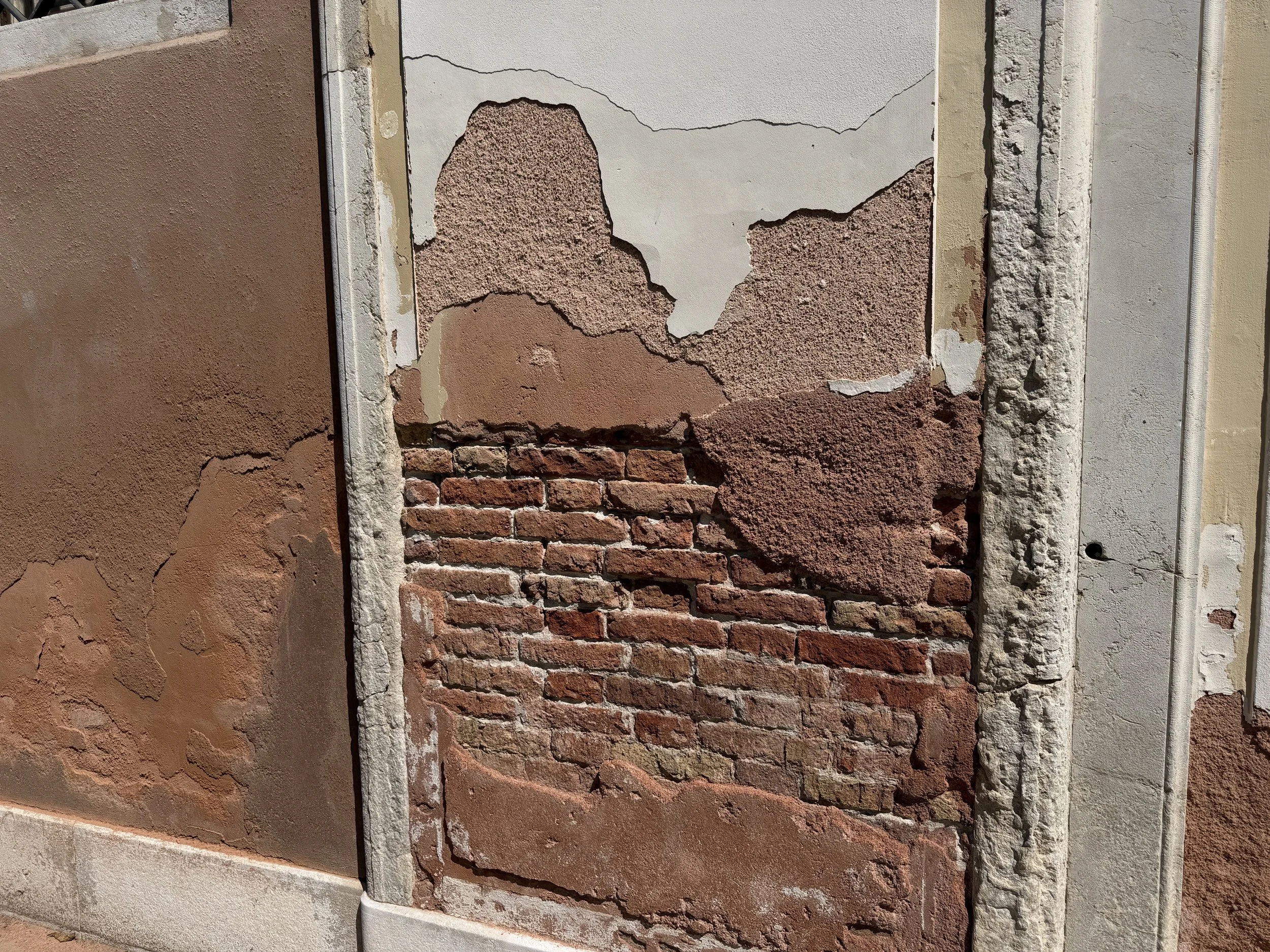
Venetian Style?
or just a building in need of repair?
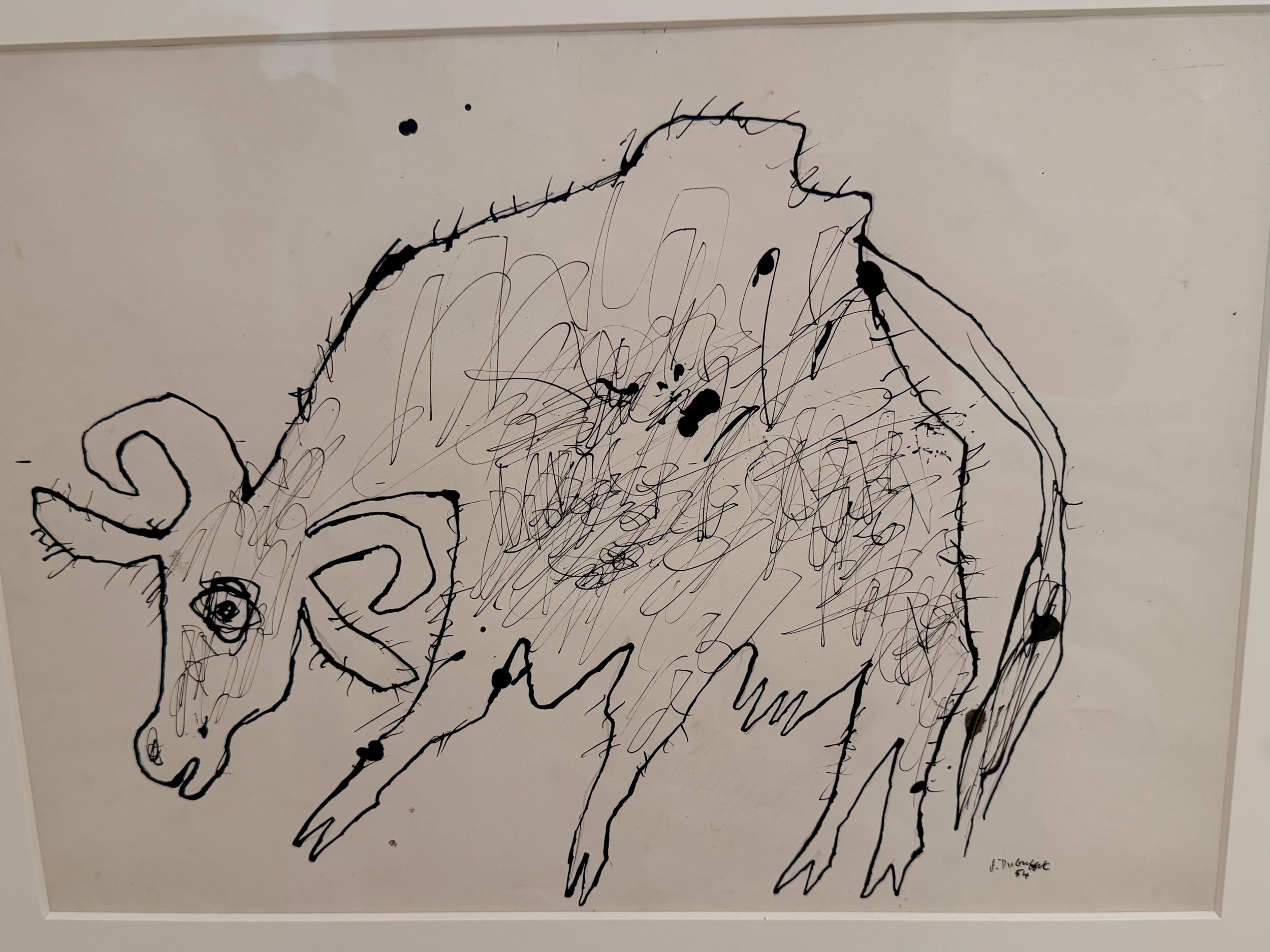
Art is Dead2?
This cow just found out what comes after the feed lot
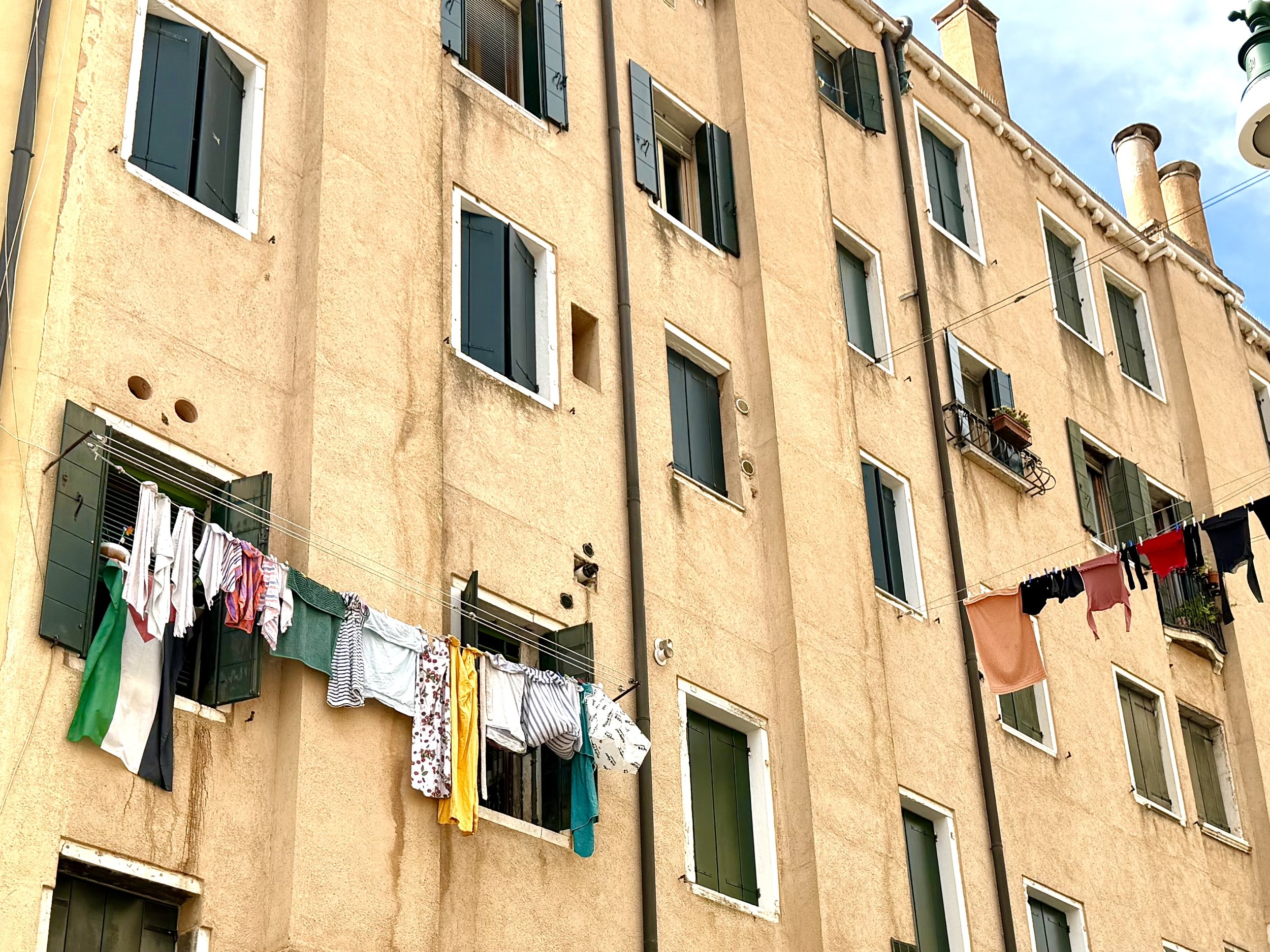
Venetian Style2
Very stylish laundry drying
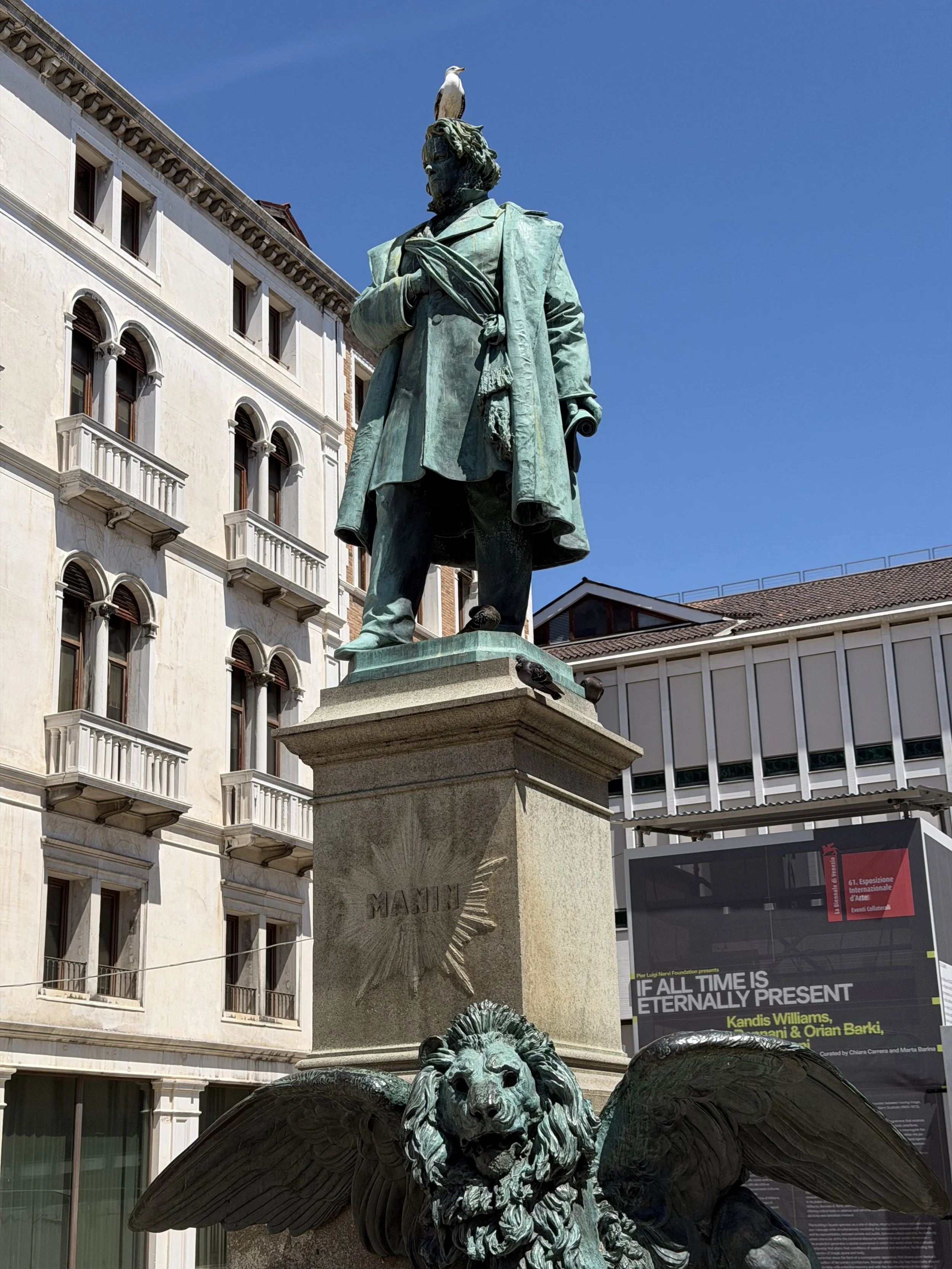
Humility
No matter what you did, how many movies you made, or how many statues they erect of you, it always ends up with a pigeon giving you their hair treatment.
Notable Items
We were supposed to go single file to the Jewish Quarter, but our line discipline was terrible. How hard is it to follow the person in front of you? I kept quiet. No one wants an officious Naval Academy grad who isn’t the guide telling them what to do.
As we snaked along, someone in the group asked Samantha why she doesn’t use the Viking paddle (red with white numbers). Hmm. Perhaps because she doesn’t work for Viking? Duh! Just follow the person ahead of you.
When I wasn’t thinking uncharitable thoughts about line discipline, I asked Samantha about small piles of loose trash and dirt that I had seen in some narrow alleys in Venice. I thought it might be evidence of ghosts —You’re right. No human would arrange dirt that way. She guessed that they were left by residents for trash collectors. I have a strong sense when people are guessing, it’s a well-honed Navy Nuclear skill.
We visited two synagogues in the Jewish Quarter (more politically correct than “ghetto”). You have to do this because visiting a fruit stand just doesn’t carry a “Jewishness” vibe. There were single-use beanies for people not wearing hats like me.
I had a problem at the end of the tour. I didn’t have smaller euro bills for tipping the guide. During the guide wrap-up, I wasn’t listening. I was searching for a place to get smaller bills. It couldn’t be just any store like a café. It had to be a place where you could walk in, pick up something small of negligible (that’s “neh-GLIJ-able” in some countries) cost, buy it, and walk out with change before the wrap-up completed.
A bookstore! I zoomed in, bought a pencil, and walked out in less than a minute. I had the tip for the guide. I gave the pencil to Samantha since I have no use for pencils. I write with pens or styli only.
I don’t write much about history in these posts. My attitude is “look it up” if you are keen to know more. I will occasionally reflect on aspects of a location’s history that I find interesting. Travel is all about quick thinking and problem-solving.
Today, Venice’s greatest challenge is staying above sea-level. Back in the day, the Venetian leaders frequently clashed with the Pope. Venice was a republic founded on commerce not a monarchy that needed the Pope’s blessing for legitimacy. In the 15th and 16th centuries, the Pope and his minions suffered from mission creep. It started with spiritual authority, of course. Then it became who called the shots regarding civic order, the Pope and his team or local politicians. Venice was a republic of rich merchants. They refused to let papal authority override state law or their incomes.
After the 1606-7 interdict (the papal version of being taken to the religious woodshed), Venice leaders’ response was, Who elected you? Mass continued and local Catholic clergy who sided with the Pope were introduced to Venice’s excellent deportation services. This became an issue for the Jesuits, an order founded on fanatical devotion to the Pope (and nice red uniforms). They should have swerved because they became Venice’s number one religious export (i.e., they were booted).