
Highlights-London Day 6 (last day)
I took a double decker bus to and from the Imperial War Museum. On the return trip, I was able to sit on the upper level, in front (always a thrill). I was at the museum from 1-5pm, longer than my typical visit, because the exhibits were so interesting (the Tank Museum had a better description of the invention of the tank, who saw that coming?). Most interesting: a talk on “What was life like on a Lancaster bomber?” (spoiler: short).
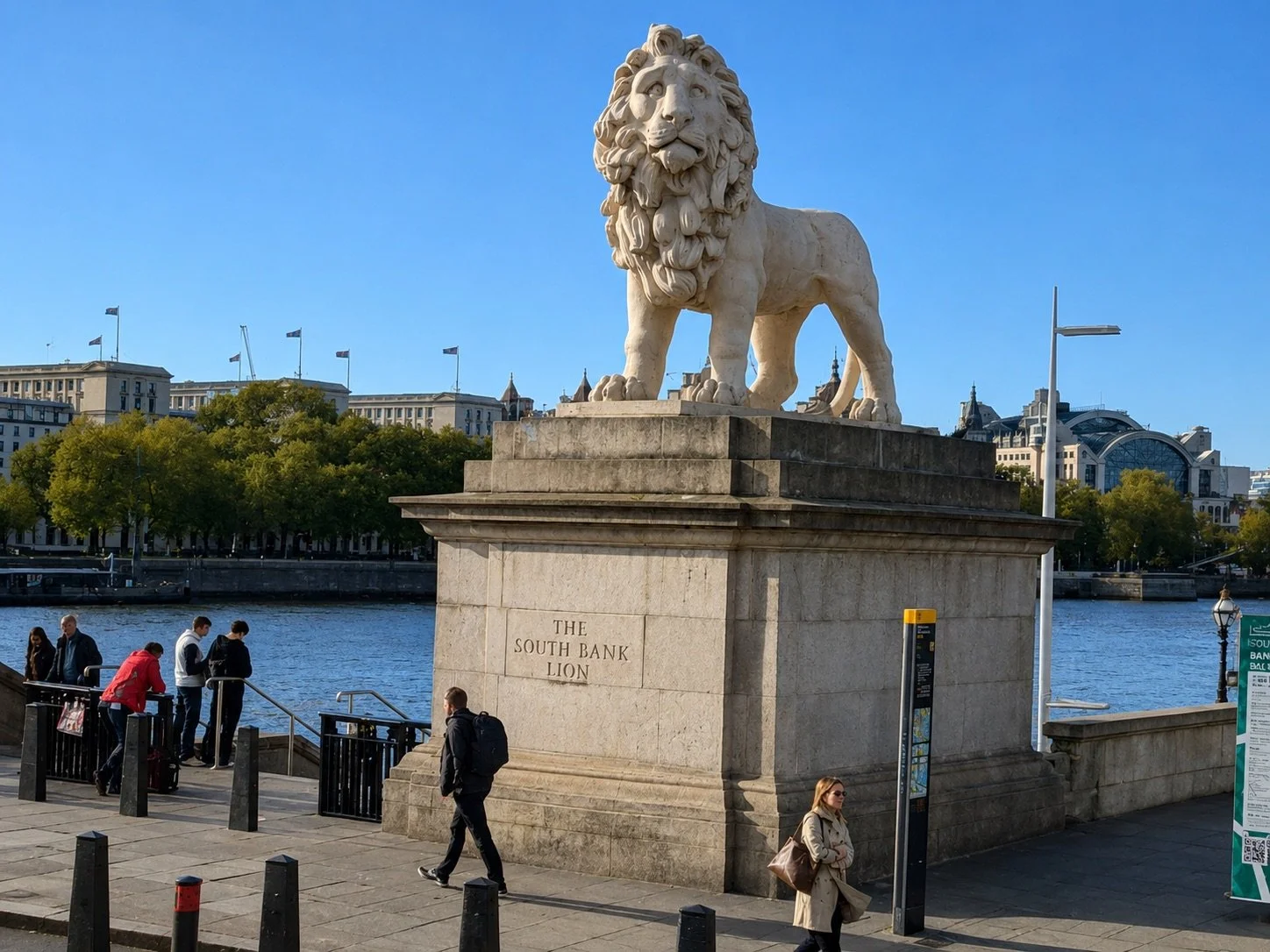
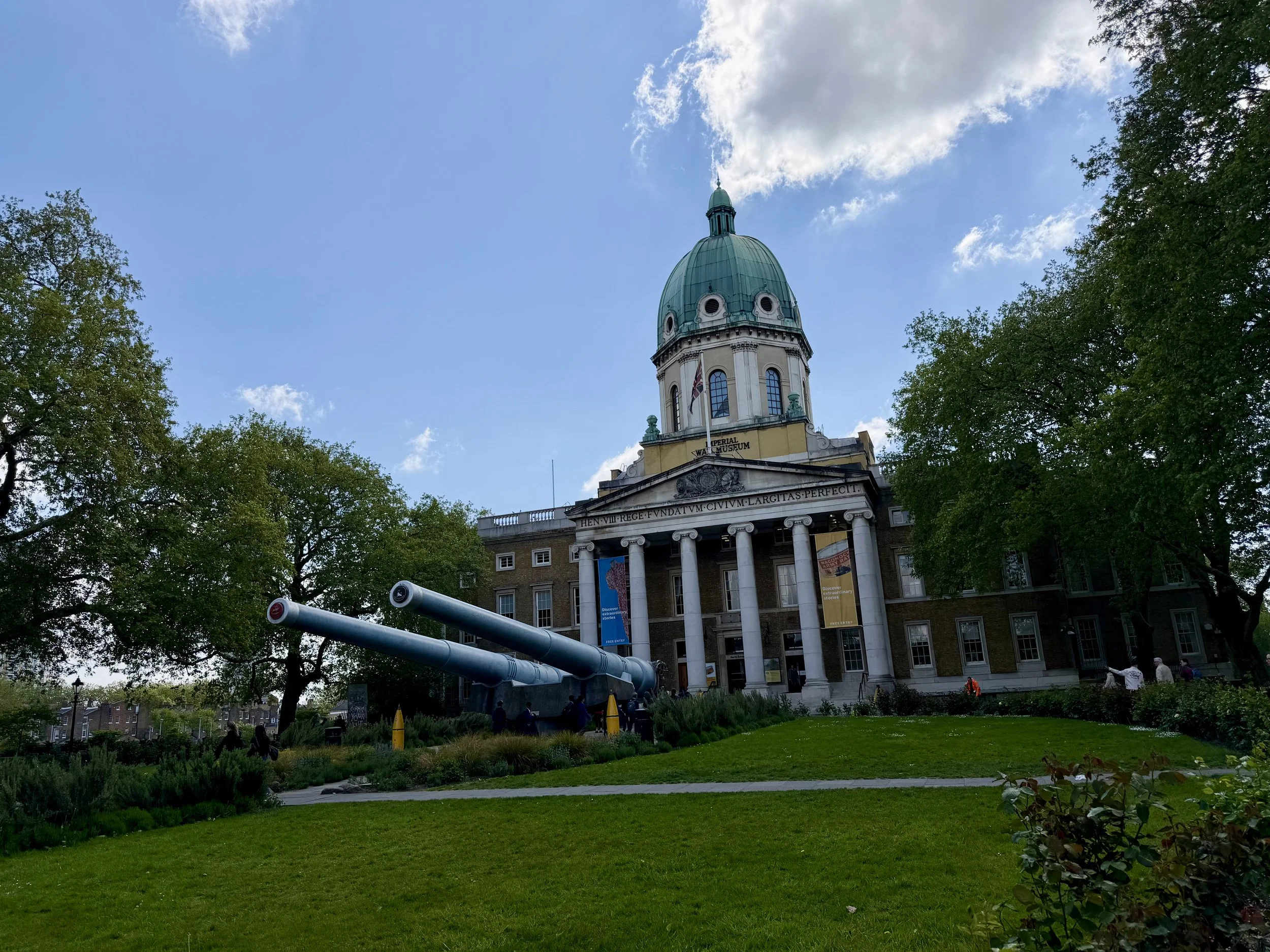
This building means business
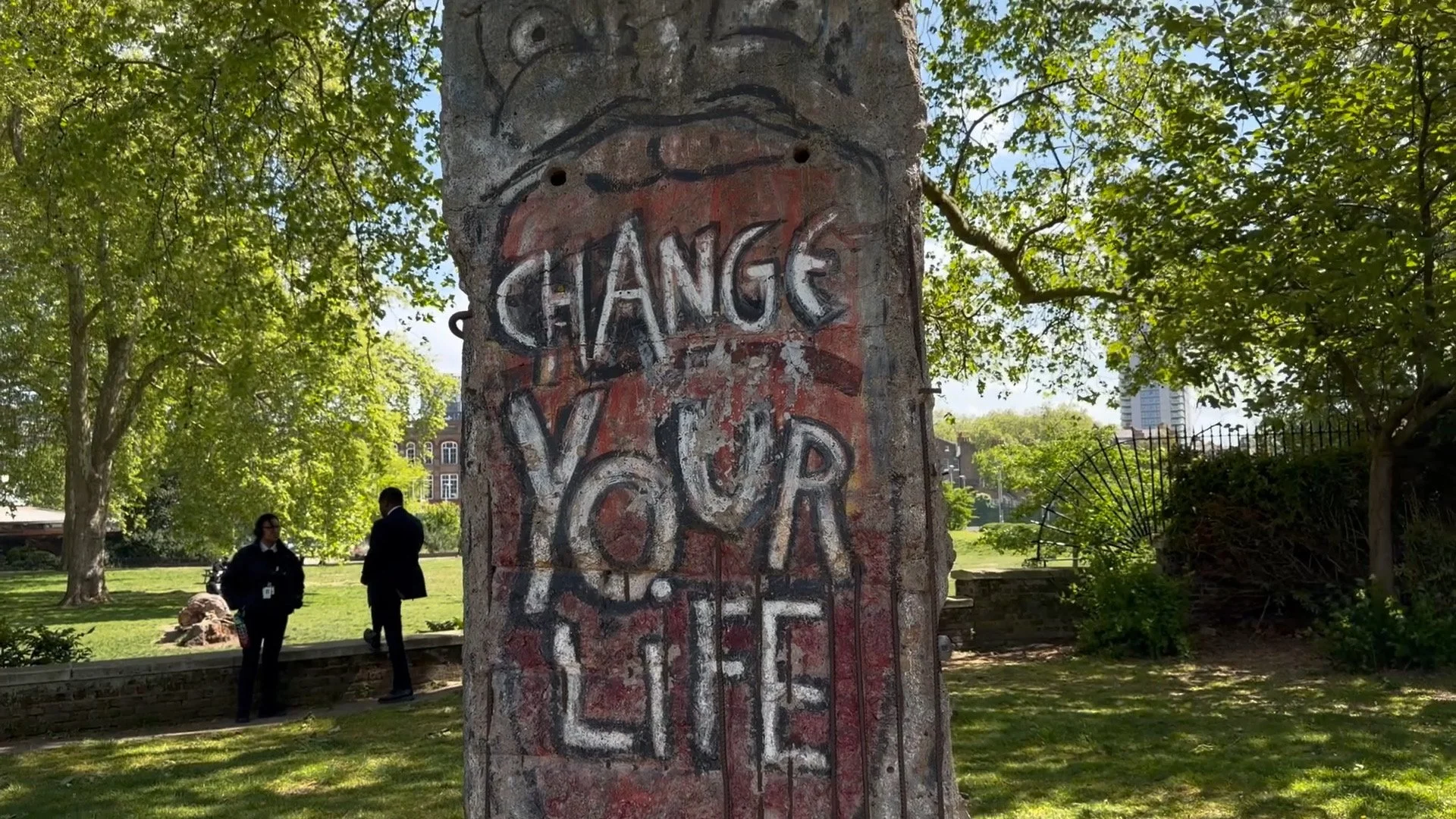
Notable Items
The Imperial War Museum was one of the best parts of my London stay. I wouldn’t do it two years in a row because exhibits might change slowly. The last time I visited was with my family in 2011 after we retiring from the Navy. I was due.
I took the 159 bus to Waterloo Station, a short walk from the museum. I could have taken the Tube, but I was ready for another double decker experience.
There is a pedestrian shopping and restaurant area on York Road next to the station. They had many interesting shops and restaurants. While I was intrigued by Vaulty Towers (clever John Cleese TV show connection) the menu didn’t inspire me. I decided on a late breakfast (full English) at Enough to Feed an Elephant, 59-63 York Road. That name was even more fun than Vaulty Towers.
The breakfast was good, but like serving pizza in Florence, it is hard to distinguish yourself serving an English breakfast in England. My social media review would have been: I liked it. Does anything else matter? The brevity of my assessment is one reason why no one will lean on my reviews for choosing eateries (despite the annoying messages the services send me, People want to know, right). Most reviews either read like someone’s letter to their mother or hate mail (the latter says more about the reviewer than the eating establishment).
I experienced a flashback (not PTSD related) walking from Enough to Feed …, past Lambeth North Tube station to the Imperial War Museum. On the 2011 visit with my family, we stayed at the hotel across from the museum and were in and out of that Tube station many times.
Nothing funny happened at the museum, but there was a lot to reflect upon (rightfully so). I stumbled upon a talk about the crew experience on a Lancaster bomber. Surprise fact: Bomber Command’s 44 percent casualty rate was higher than the ground combat forces. In Bomber Command, your buddy wasn’t mutilated right next to you. You just didn’t see him the day after the mission, ever.
Bomber crews had to survive thirty bombing missions before they were pardoned, er given less dangerous duties. Fewer than fifteen percent of the personnel survived that long. If they weren’t exploded by a flak shell, the odds of survival were less than ten percent if their plane dropped out of the sky. Yikes!
Whenever you visit a museum related to strategic bombing in WW2, you have to consider the question: Did the bombing shorten the war? This was controversial during the war and it hasn’t become less so over the years. The surveys conducted by the British and Americans immediately after the war concluded that the bombing had impacts, but shortening the war wasn’t one of them.
The curators of the museums come down hard on the side of Yes, the bombing campaign shortened the war. They have to. You can’t run a museum dedicated to the sacrifice and bravery of bomber crews and conclude it didn’t accomplish amazing results.
Strategic bombing by the British of buildings (to “de-house” workers) and by the Americans (to destroy ball bearing and other factories) wasn’t a waste of time exactly. Despite the lack of measurable impact on German war production, significant German manpower was diverted to refilling holes from bombs, anti-aircraft batteries and munitions, and fighter interceptors. Observation: I’ve never seen the official surveys mentioned at any museum.