
Highlights-Oxford
I stopped at the Nat West bank after my coffee and croissant to ask about the 10£ I thought the ATM had shorted me. The man responsible checked his records, found nothing amiss, and still gave me the 10£. The big events today were the Oxford Bodleian (that is some crazy spelling) Library tour and post-tour afternoon tea at the extension across the street, the Weston Library. I attended an evening live concert across the street from the hotel, Sounds of the 60s with Tony Blackburn. It was a great flashback experience (at least the songs I knew).
Notable Items
The Oxford library’s first librarian was Sir Thomas Bodley. History records that he was appointed to this post by the university in 1598, but rich people have enough money to make sure that’s what they put in books. It is just as possible that he was self-appointed. He *was* the librarian and could toss any book contradicting the official story. You get to do that after marrying the rich widow of a pilchard trader. What the heck is a pilchard? A fish similar to the herring. Who knew you could get rich trading them? Sir Thomas donated thousands of books to the university. He probably had to give them away after his rich wife (she had all the pilchard money) put her foot down about the collection (“If you buy one more book …!”).
Sir Thomas wasn’t the first book donor, but he was the first librarian. Duke Humfrey preceded him with a more modest donation in 1488, but the collection was purged by a zealous bureaucrat, possibly seeking the favor of the Dean of Christchurch. He sought to purge the library of “all traces of Catholicism including ‘superstitious books and images.’” The books may have been priceless, but they weren’t fireproof ([history-bodleian](https://visit.bodleian.ox.ac.uk/plan-your-visit/history-bodleian "history-bodleian")). That’s what happens when you donate books and don’t become the librarian to defend them.
As a reference library, two things stand out. First, it receives a copy of every book published in the U.K. Someone’s doing a lot of writing. Second, you can’t check books out - even if you’re King Charles I. The librarian at the time was not impressed with Charles’ views about the divine right of kings. Apparently, neither was the New Model Army, which had him executed in 1648 over a dispute about constitutional monarchies (they were for, he was against). He preferred death to dealing with Parliament, it would seem. He probably wasn’t the last British monarch to feel this way.
According to the website, the old library “is connected to the Radcliffe Camera by the underground Gladstone Link.” I don’t think that’s English. This architectural gibberish translates to “there is an underground tunnel connecting the library to a reading room in the Radcliffe building across the street.” Who knew?
Movies are filmed in the old library or one of the other old buildings nearby two-three times per year. No one is shown reading, however. Libraries are only useful as background in movies or having bookshelves fall over in a disaster. That wouldn’t fly at the Bodleian.
I happened to be in Oxford the night of Tony Blackburn’s Sounds of the 60s concert. I didn’t know what it was going to be, but as an old guy born in that decade, anything 60s sounds good to me. Tony is an octogenarian rocker (so is Mick Jagger). He was one of the first English rock DJs in the 60s when the BBC considered “that kind of music” subversive and wouldn't play it or anything by Motown artists. He had to spin records in a ship anchored off shore (so-called “pirate radio”) until he and others were invited ashore. The death of piracy isn’t better policing. It’s always regulation.
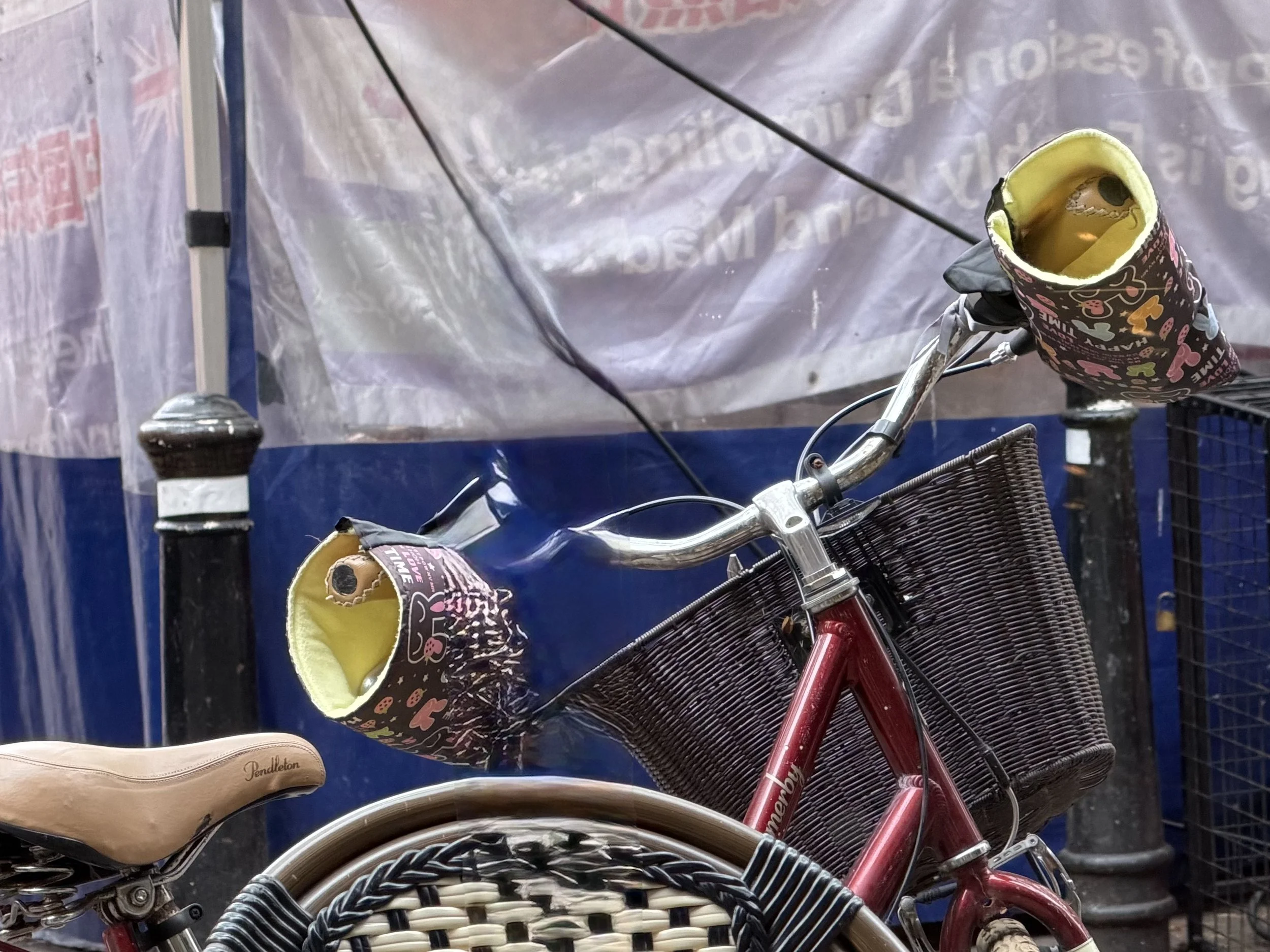
Bike Mittens
How cool is that?
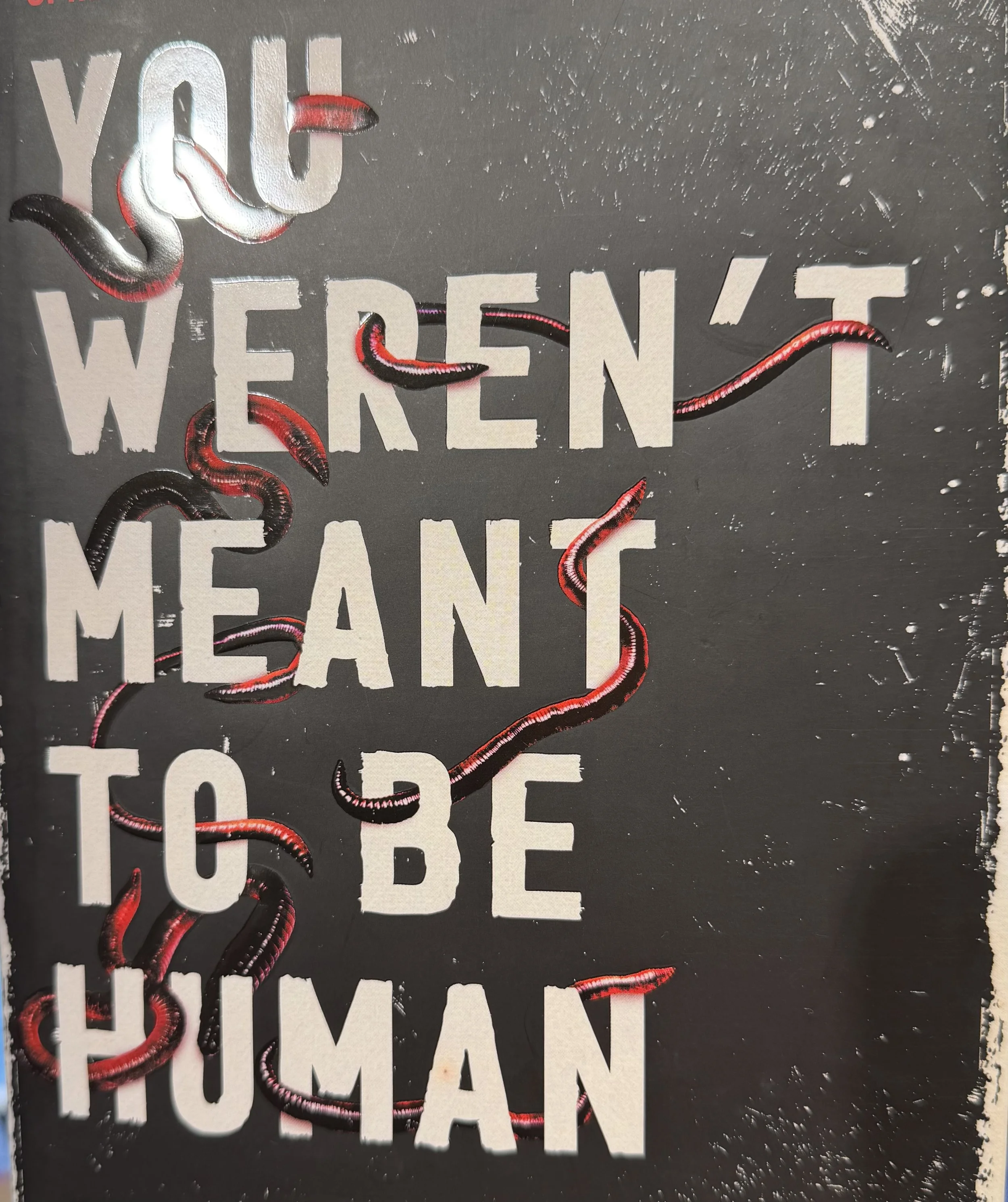
This explains a lot
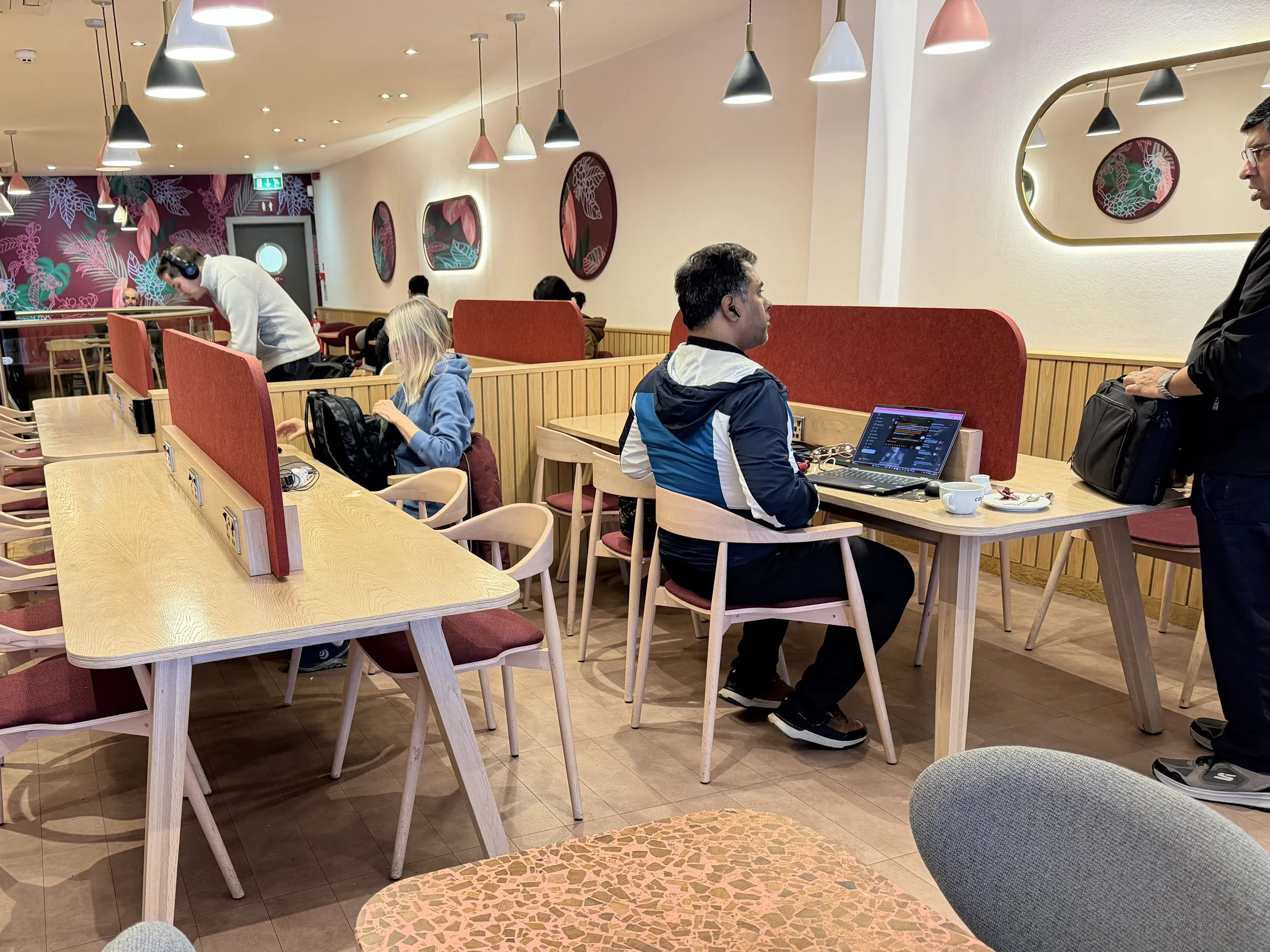
An Elegant Solution
This solves the “too many laptops, not enough tables” problem.